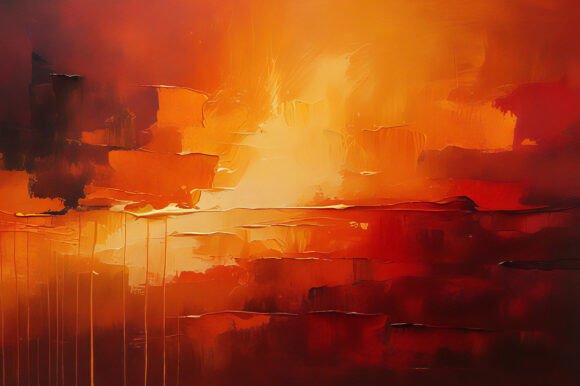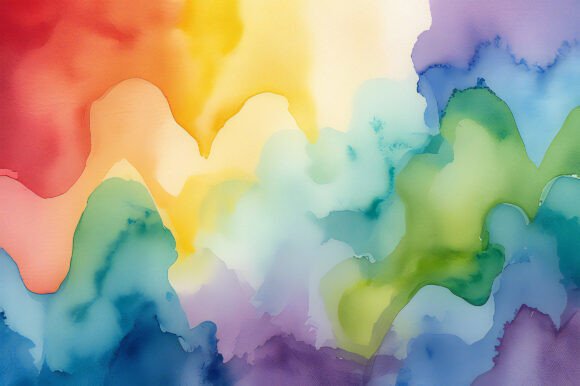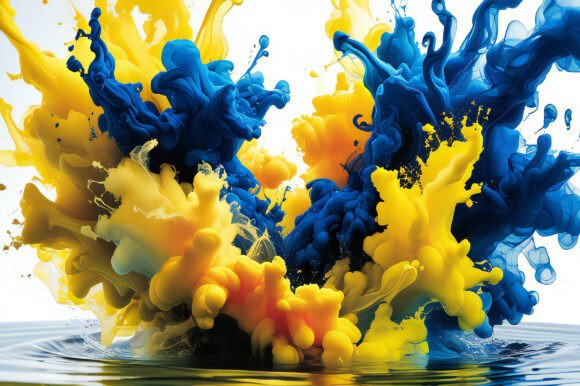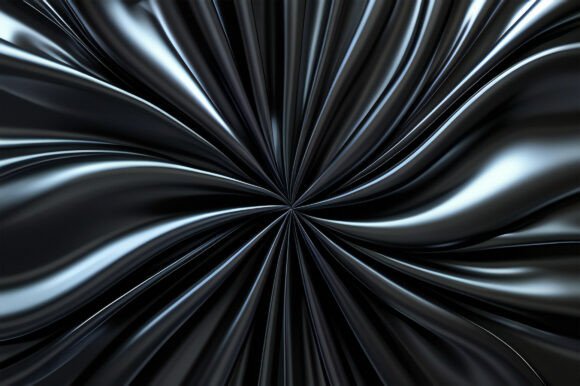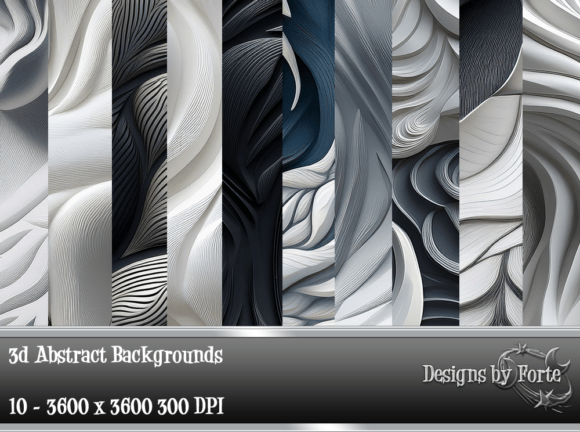
3D Abstract Backgrounds
3D abstract backgrounds are digital assets that offer a unique visual depth and complexity, often created using advanced design software or artificial intelligence. These backgrounds can be used in a variety of creative and professional contexts to enhance the aesthetic appeal of projects. Their high resolution and detailed textures make them ideal for both digital and print applications.
Understanding 3D Abstract Backgrounds
3D abstract backgrounds are designed to add a sense of dimension and movement to any project. Unlike traditional flat designs, these backgrounds use shading, perspective, and layered elements to create an illusion of depth. This makes them particularly useful in graphic design, web development, and multimedia presentations where visual interest is crucial.
These backgrounds are typically available in high-resolution formats, such as 3600 x 3600 pixels at 300 dpi, ensuring they maintain clarity when scaled up or printed. The AI-generated nature of many of these backgrounds allows for a wide range of styles and variations, making it easier to find something that matches specific design needs.
Integration into Creative Workflows
Integrating 3D abstract backgrounds into your workflow can significantly enhance the visual quality of your projects. Whether you're working on a personal journal, a business card, or a website, these backgrounds can serve as a powerful tool to elevate your designs. They can be used as a base layer, overlaid with text or other graphics, or combined with other design elements to create a cohesive look.
For example, when designing a website, you might use a 3D abstract background to create a visually engaging homepage. This can help draw attention to key content areas and create a memorable user experience. Similarly, in print design, these backgrounds can add a touch of sophistication to brochures, posters, or packaging.
Practical Applications and Use Cases
The versatility of 3D abstract backgrounds makes them suitable for a wide range of applications. Here are some common use cases:
- Scrapbooking: Add a dynamic element to your scrapbook pages by using 3D abstract backgrounds as a backdrop for photos and memorabilia.
- Personal Journals: Enhance the visual appeal of your journal entries with vibrant and intricate backgrounds that reflect your personality.
- Business Cards: Make your business cards stand out by incorporating a 3D abstract background that reflects your brand's style.
- Advertising: Use these backgrounds in digital ads to capture attention and convey a sense of innovation and creativity.
- Blogs: Create eye-catching blog headers or background images that engage readers and set the tone for your content.
- Logo Creation: Use 3D abstract backgrounds as a foundation for your logo design, adding depth and uniqueness to your branding.
- Crafting: Apply these backgrounds to fabric designs, wrapping papers, or planner dividers to add a fresh and modern look.
- Stickers and Magazines: Incorporate these backgrounds into custom stickers or magazine layouts to add a distinctive visual element.
Workflow Tips and Implementation Strategies
When incorporating 3D abstract backgrounds into your workflow, consider the following tips to ensure smooth integration:
- Preparation: Before selecting a background, define the purpose and context of your project. This will help you choose a background that aligns with your goals.
- Compatibility: Ensure that the file format and resolution of the background match the requirements of your project. For instance, high-resolution files are essential for print applications.
- Usability: Experiment with different backgrounds to see how they interact with other design elements. Adjust colors, opacity, and placement to achieve the desired effect.
- Organization: Keep your design assets organized by creating folders or libraries for different types of backgrounds. This will save time and improve efficiency.
- Efficiency: Use design software that allows for easy manipulation of backgrounds. Tools like Adobe Photoshop or Illustrator can help you customize and integrate these backgrounds seamlessly.
- Consistency: Maintain a consistent visual theme across all your projects by using similar styles or color schemes with your 3D abstract backgrounds.
- Quality Control: Always review your final designs to ensure that the backgrounds enhance rather than detract from the overall message or purpose of your work.
- Long-Term Use: Consider the longevity of your design choices. Opt for versatile backgrounds that can be adapted to future projects or updated as needed.
Collaboration and Resource Integration
3D abstract backgrounds can also play a role in collaboration and resource integration. When working with a team, these backgrounds can serve as a common visual reference that helps align everyone's vision. They can be shared and modified to fit the needs of different stakeholders, ensuring a cohesive outcome.
Additionally, these backgrounds can be combined with other design resources, such as fonts, icons, or illustrations, to create a more comprehensive and visually appealing design. By integrating multiple elements, you can build a more dynamic and engaging visual identity for your projects.
Conclusion
3D abstract backgrounds offer a powerful way to enhance the visual quality of your creative and professional projects. By understanding their capabilities and integrating them effectively into your workflow, you can unlock new levels of creativity and impact. Whether you're a designer, marketer, or hobbyist, these backgrounds provide a versatile tool to elevate your work and leave a lasting impression on your audience.